Difference Between Lithium Ion And Nickel Metal Hydride Batteries | KET
Lithium-ion (Li-ion) and Nickel-metal hydride (NiMH) batteries are two of the most common types of rechargeable batteries used in various devices such as smartphones, laptops, electric vehicles, and more.
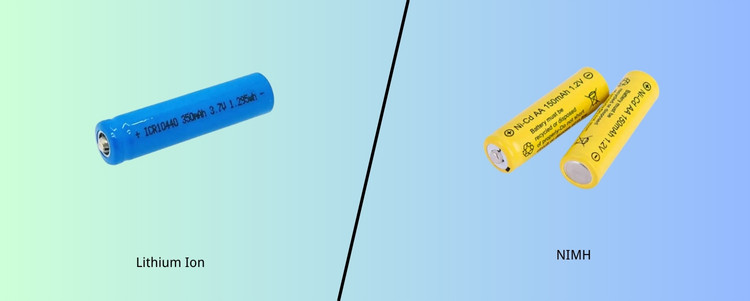
Here are some key differences between Lithium-ion and Nickel-metal hydride batteries:
1. Energy density: Lithium-ion batteries have a higher energy density than Nickel-metal hydride batteries. This means that lithium-ion batteries can store more energy in the same size or weight, which makes them more efficient.
2. Memory effect: Nickel-metal hydride batteries are more susceptible to the memory effect than lithium-ion batteries. The memory effect is when a battery loses its maximum capacity over time due to not being fully discharged before recharging. Lithium-ion batteries are less susceptible to this effect, so they can be charged and used more flexibly.
3. Self-discharge: Lithium-ion batteries have a lower self-discharge rate than Nickel-metal hydride batteries. This means that lithium-ion batteries can retain their charge for a longer period when not in use.
4. Cost: Nickel-metal hydride batteries are generally cheaper than lithium-ion batteries, although the price gap has been decreasing in recent years.
5. Environmental impact: Lithium-ion batteries are considered to be more environmentally friendly than Nickel-metal hydride batteries because they contain fewer toxic materials and have a longer lifespan.
Overall, Lithium-ion batteries are more efficient, longer-lasting, and have better performance than Nickel-metal hydride batteries, but they are more expensive. However, Nickel-metal hydride batteries are still popular for certain applications where cost is a more significant factor, such as in consumer electronics like toys and remote controls.
Factory Direct Custom Battery Pack

Leigh Nios mo

Leigh Nios mo

Leigh Nios mo