Do Lithium Batteries Work Well In Cold Weather | KET
There are several different cooling methods that can be used to regulate the temperature of lithium-ion battery cells, including the following:
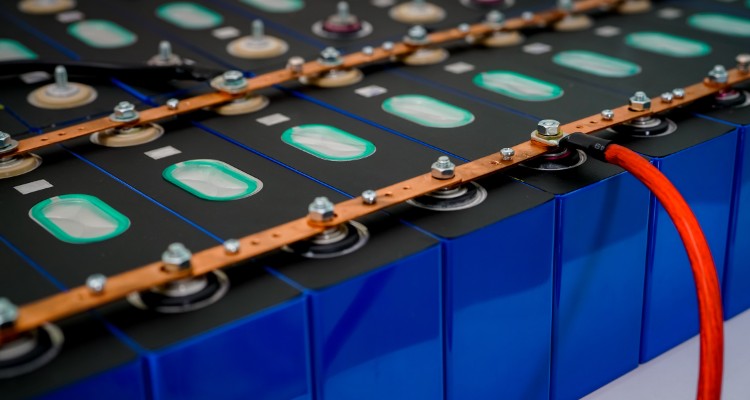
1. Passive cooling: This method relies on natural convection or conduction to dissipate heat away from the battery cell. Passive cooling methods are typically used for low-power battery applications, as they do not require any additional components, such as fans or pumps.
2. Forced air cooling: This method uses a fan to circulate air over the battery cell, dissipating heat away from the battery. Forced air cooling can be used for applications where passive cooling is not sufficient, and it is often used in high-power battery systems, such as electric vehicles.
3. Liquid cooling: This method uses a liquid, such as water or oil, to absorb heat from the battery cell, and then dissipate the heat away from the battery. Liquid cooling is often used in high-power battery systems where the high thermal conductivity of the liquid can provide more effective cooling than air.
4. Phase change cooling: This method uses a phase change material, such as wax or a refrigerant, to absorb heat from the battery cell. The phase change material changes from a solid to a liquid when it is heated, and then returns to a solid when it cools down, releasing the heat stored in the material.
Each of these cooling methods has its own advantages and disadvantages, and the most appropriate method will depend on the specific requirements of the battery system. For example, passive cooling may be suitable for low-power battery systems, while liquid cooling may be more appropriate for high-power systems. The specific cooling method selected will also depend on the operating environment, the size of the battery system, and the desired level of performance.
Factory Direct Custom Battery Pack

Read More
Read More

Read More